Tag Archives: writing a villain

Of Villainy and Tragedy

Alternatively… “Everyone’s the hero of their own story”

(Which appears to have multiple attributions… so know that I did not come up with that quote, but it is very useful for designing antagonists)

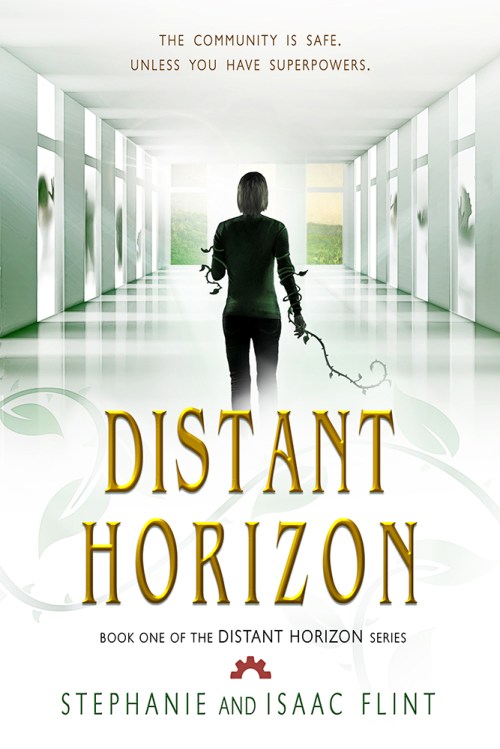
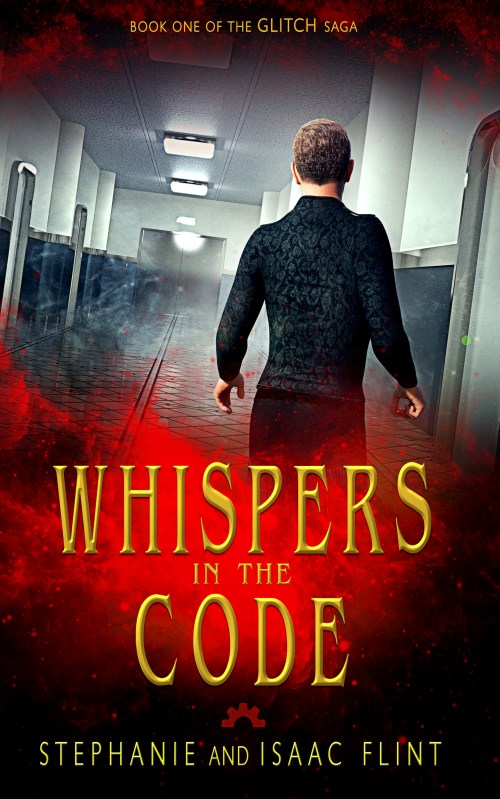
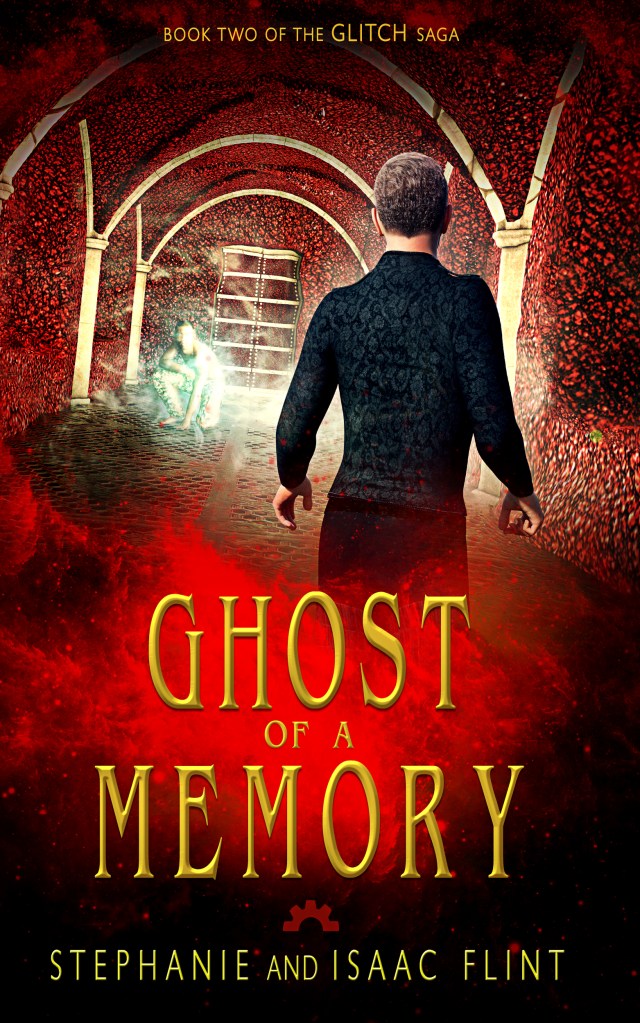
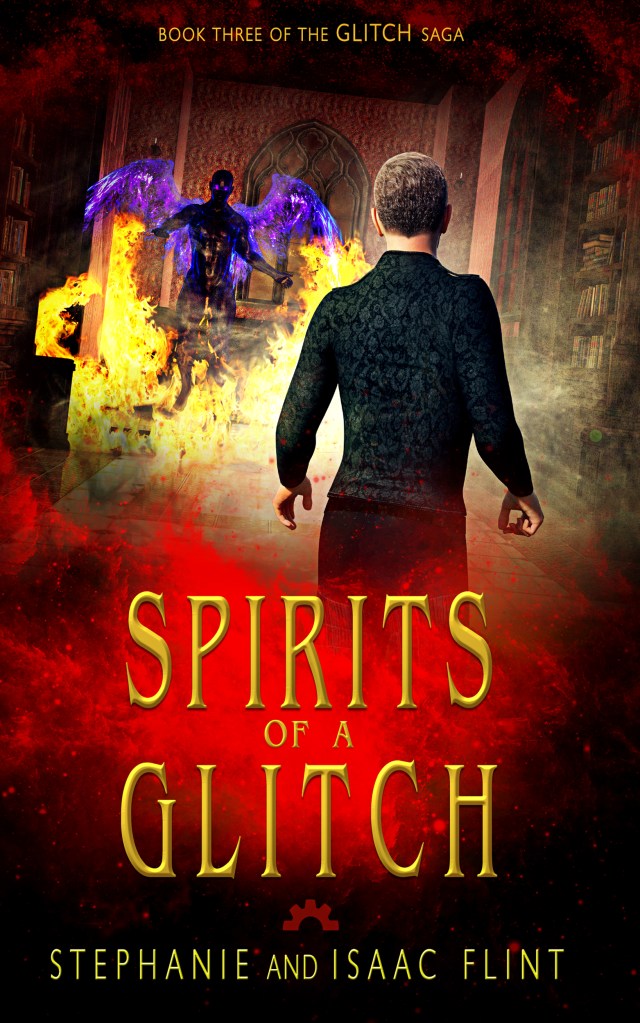
When writing the Glitch saga, one of the parts I enjoyed working with was showing the Distant Horizon universe from a different point of view (in this case, from the point of view of “the bad guys”). Though the Camaraderie of Evil lives up to their name, an aspect Isaac and I wanted to work with was the idea that “everyone is the hero of their own story.”

Most of the villains aren’t doing evil things for evil’s sake. (Most. There are exceptions).

Instead, they’re driven by a desire for security, a utilitarian view of “the greatest good for the greatest number of people,” or a sense that the end justifies the means.

Even the antagonist with the most logical reason to be pure evil has his own motives and reasons for doing what he does. (Though really, he’s been through so much by the time we see him that… uh… it doesn’t really take much to push him into the “he knows what he’s doing is wrong and yet his desire for revenge is a bit too strong to counterbalance that knowledge.)

Sure, there are a couple characters who are outright power hungry, but for the most part, the people we see all want a better life. They just have… not the greatest ideas… about how to achieve that life. (As in, their ideas work, for them, but definitely aren’t “good guy” plans).

There’s a specific scene from Whispers in the Code (book one of the Glitch saga) that usually comes to mind when considering the Camaraderie’s mentality regarding the world:

Commander Rick motions me to the command room and sits in the chair, resting his chin against the bone of his knuckles. I stand before him, feet together, back straight. I wish I felt more confident.

“You will be challenged by much of what we do,” he continues. “In the Community, your tasks were simple: program basic systems, keep everything running smoothly… This job is not so simple. We call ourselves the Camaraderie of Evil because we are willing to take steps others wouldn’t dare consider. That’s the only way we can accomplish security and efficiency. I don’t personally believe we are evil, but the name stuck around from our earlier days, and they were… an interesting bunch.” A thoughtful smile quirks on his lips and he clasps his hands on his knee. Despite the relaxed position, he still carries an imposing presence.

“Yes, sir,” I say.

“The Community is everything we promise. It is safe, secure, and efficient. Everyone has a secure job, with no fear of being mugged on the street or killed because of needless terrorism. They have food, shelter, and companionship. We rule the Community carefully, and the system works.” He pauses as he gathers his thoughts. “However, there is a price. When the Camaraderie was first formed, Lord Black determined that superpowers posed a threat to his utopian ideals. Those with powers must be controlled or eliminated. Those who do not contribute cannot be allowed to siphon off others.” Commander Rick sets his jaw and my chest clenches tight. I know this already, but to hear it directly from the eldest council member is another thing entirely.

“Thus, through Sanjorez’s and Benjamin’s work with the pendants, the Camaraderie learned how to make beasts. Beasts can be controlled. They can fight. They are more efficient than eliminating each individual person that opposes us. No one would contest using elementals and power users in Special Forces. But our enemies would argue that our actions are morally wrong.”

Like Jenna.

The commander smirks. “Like Miss Nickleson, yes. But I have seen her mind. She seeks truth in answers. In her eyes, to have been lied to about the state of the world was a crime. It is not the action of transformation she sees as wrong, so much as it is that we withheld that information from her.” He presses a knuckle to his chin and gazes out at the dark sky. “I believe it is similar to how you are unaccustomed to making decisions which impact the wellbeing of others, and why you have a hard time understanding the art of war.”

I shift uncomfortably as the commander stands.

“You will do well, m’boy. You will adjust.”

I nod, but I still have a sinking feeling in the back of my throat. To be efficient, truly efficient, I’m going to have to make choices I’d rather not make.

Indeed, Tim does end up having to make choices and decisions that the rebellion would never consider.

And I’ll throw this out there: the Glitch saga doesn’t have a happy ending.

I hope you find it a satisfying one, especially when read in conjunction with the rest of the Distant Horizon series, but things have gone horribly wrong, in large part due to the actions of the Camaraderie.

And things continue to go wrong in the Distant Horizon series, because the things the Camaraderie has done (and even the rebellious Coalition of Freedom) don’t have a simple solution. Like real life, politics and war are messy.

Tim recognizes that much of what the Camaraderie does is questionable, or should be stopped. (And he does try to stop some of those things, or at least mitigate the problems).

But with their actions already snowballing into a terrifying boulder down a slope made slippery by too many people before him, it’s not something he can stop on his own.

Will the things he does help others make things better, even if his story ends tragically? Will his actions matter, allowing for a bittersweet ending? Will his actions have made an impact on those around him… even those who have been working with the Camaraderie for most of their lives?

It may not be immediately evident at the end of the Glitch saga, but once we get to book three of the Distant Horizon series (Starless Night)), I’m hoping a lot more of that becomes apparent. And it should become even more apparent by the time we get to book four, Changing Tides.

Do you have any favorite books where the story had a tragic ending, and yet the character’s actions still made a difference?

* * *

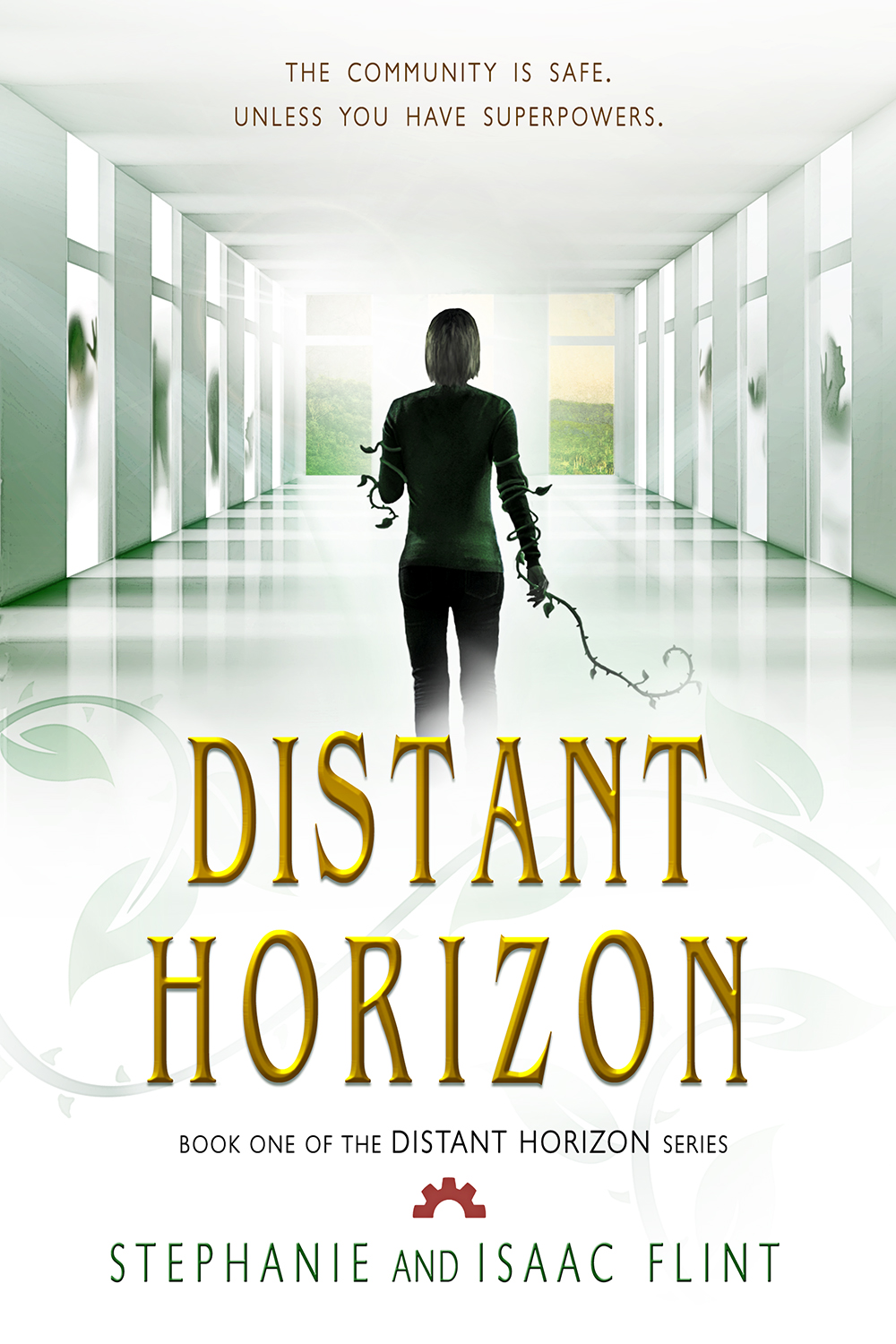
Delve into the Camaraderie’s dark and tragic secrets…

* * *

Happy reading and writing!

Leave a comment

Filed under Writing

Thoughts on Writing – Analyzing the “Jessica Jones” TV Show

(Warning: I’ve only watched the first three episodes, and I have tried to avoid major spoilers, but read at your own risk).

Recently, my husband and I started watching Jessica Jones on Netflix. I was introduced to the show while browsing through a CNN article that mentioned that David Tennant (Doctor Who’s tenth doctor) was playing Killgrave, a Marvel villain with mind control powers, and that the main character, Jessica Jones, has a few super powers of her own. Despite the article mentioning that this particular show is considerably darker than the other Marvel shows (and ooo-boy, it is), the super powers sounded interesting, so I tentatively (Or Tennant-ively, if you like puns), decided to give this show a try.

And yes, it is dark.

The main villain of this story is actually evil. Downright despicable, cruel, manipulative, and abusive.

And you know what? As a writer, I’m impressed. I haven’t seen very many shows lately where the villain was actually a pure bad guy. Now, I’ve only seen the first three episodes of Jessica Jones as of writing this post, so maybe Killgrave has a soft side–maybe. And granted, my weekly go-to show has been My Little Pony: Friendship is Magic. The bad guys there don’t tend to last long before being converted by the powers of friendship.

Anyway, I generally lean toward villains who have logic behind their actions, who are at least a tad bit sympathetic. They tend to be more interesting, and you want to root for them at least a little… even if the hero is likely to win. (Janice Hardy has a great article on sympathetic villains).

In the first season of Heroes, Claire’s father is all set up to be the big bad guy. But he has good reasons for his actions… even if he doesn’t always make the best choices.

In Avatar: The Last Airbender, Zuko is out to capture Aang… but he’s trying to prove himself as having honor by his father’s standards, and he slowly comes to the realization that honor isn’t what he thinks.

In the Thor movies, Loki steals the show. He’s not a good guy, obviously, but he’s probably the most entertaining of the characters, and I found myself rooting for him more than any of the other characters. (Granted, I’m not much of a Thor fan. I like Captain America, and I’m super-excited to see the upcoming Civil War movie.)

Really, these are all very different shows from Jessica Jones. I’ve never read the comic (this show is the first I’ve heard of her character), but this Youtube video does  a pretty good job at summarizing how the comic is vastly different from many of the other comics in the Marvel universe. Quite simply, Jessica Jones was meant for an adult audience, with the freedom to explore heavier topics that are typically shunned in mainstream comics and TV shows.

Regardless, the first episode of Jessica Jones blew me away. I loved analyzing the show.

Sure, it’s darker than I normally prefer, but the creators set that tone right from the get-go, so the darkness doesn’t come as a surprise. Take a look at the opening line of the show (as paraphrased from my memory):

“New York City may be the city that never sleeps, but it sure does sleep around.”

This line is not only memorable (because it delivers a twist on an old saying), but it sets the tone for the rest of the episode.

Jessica Jones is a private investigator who makes her money by helping disgruntled spouses find proof if their husband/wife is cheating on them. And the show doesn’t mind showing exactly what those couples are doing. Right from the beginning, we know that there’s going to be on-screen sex.

Setting the tone at the beginning helps audience members who aren’t interested know whether or not they want to keep watching.

Having the gritty setting at the beginning also allows the show to naturally segue, piece-by-piece, into revealing that Jones has been psychologically (and sexually) abused by her former captor, Killgrave.

The first time we hear him, his dialogue is a bit ambiguous. We don’t know if he’s really there of if she’s having a flashback, but we do know that dark blue lights are going to be a symbol of his influence. (As a side note, I loved some of the artistic options of this show. Some of the scenes can seem to be a bit slow… but the tension is mounting, the hotel hall is lengthening, and you wonder who, or what, lies just behind that door…)

The artistic choices also helped address one of my initial concerns about the show: Would David Tennant be able to portray the villain without reminding the audience of the Doctor? Granted, we’ve seen the tenth doctor have a few rather dark-sided moments, but nothing like this.

I needn’t have worried. The first few times we see Killgrave, his face is in shadow. The lights change to a dark blue-violet, and we mostly just hear a few lines of dialogue. This is an excellent choice to build up Killgrave’s character before we actually see his face. Then, in the second episode, when we finally see Killgrave, if only for a moment, we’re not exactly picturing the good-hearted Doctor.

That’s another thing this show has been doing well. Instead of showing the villain outright, we first see shadowy glimpses of him. We hear his voice. There’s a moment in the third episode where he delivers a long line of dialogue that is amazing, in part because it’s a threat we know he’ll actually follow through, but he’s entirely off-camera.

We have two major things going for this villain: the show teases us, only showing his face on occasion. We’re never quite sure if he’s going to be standing around the next corner. This is great for building tension. Second, he’s perfectly capable of doing his evil deeds. We see the results of his actions, and we know he will do terrible things. The show hints at it first, then shows us bits and pieces. The only question is who he will target next. As such, the writers have proven that he is a threat for the hero.

The villain, terrifying as he is, makes the hero so much stronger (and not because she has super strength. Killgrave is capable, he’s dangerous, and Jessica has stakes. The whole first episode is about drawing her into this conflict. She has a traumatic history with the guy, and every reason to run.

The show has to prove why she doesn’t.

It does. It does by pushing the villain’s already evil deeds to a whole new level (Seriously… Killgrave is evil. Just watch the first episode).

Jessica can either run, or she can confront him.

Better yet? The show makes it possible for either to make sense for her character. Either she’ll run, and we expect Killgrave to follow, or she’ll fight, and we’re biting our nails hoping she doesn’t dig herself in too deep.

Regarding digging itself too deep… Jessica Jones continued to impress me by not restricting itself to being super-depressing or overly dramatic.

My problem with the first season of Agents of SHIELD was how over-dramatic it was, and with the second season, how it would linger too long in the depressing stage. Jessica Jones, on the other hand, resorts to situational and dry humor to help lighten the mood when necessary, and some of the moments are quite amusing. They’re placed at key moments to relax tension or bring you back from “eeps!” moments, without seeming contrived.

Plus, there are references to the rest of the Marvel universe (especially in the third episode) that helps tie everything together.

Overall, I’m really enjoying the show. I was hesitant at first, knowing that it would be darker than the other Marvel shows,but I’m glad I gave it a shot. If Jessica Jones continues as it has thus far, I think I’ll enjoy it… and I’ll be happily rooting for Killgrave’s downfall… a character I suspect that I’ll “love to hate.”

I hope you enjoyed this post. Have you watched any episodes from Jessica Jones? 🙂

5 Comments

Filed under Writing