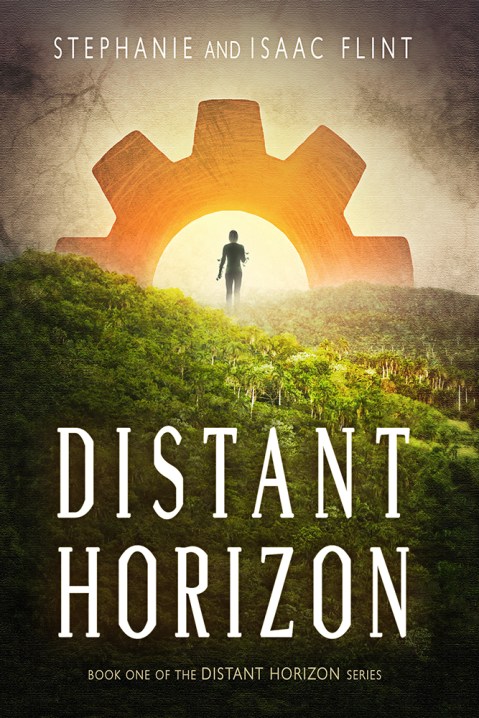
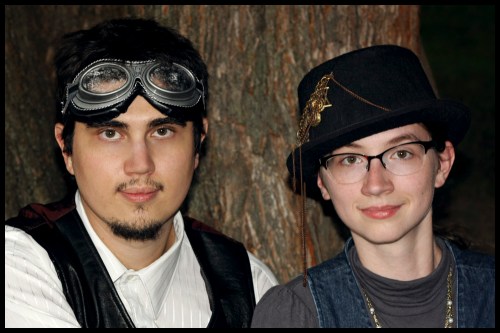
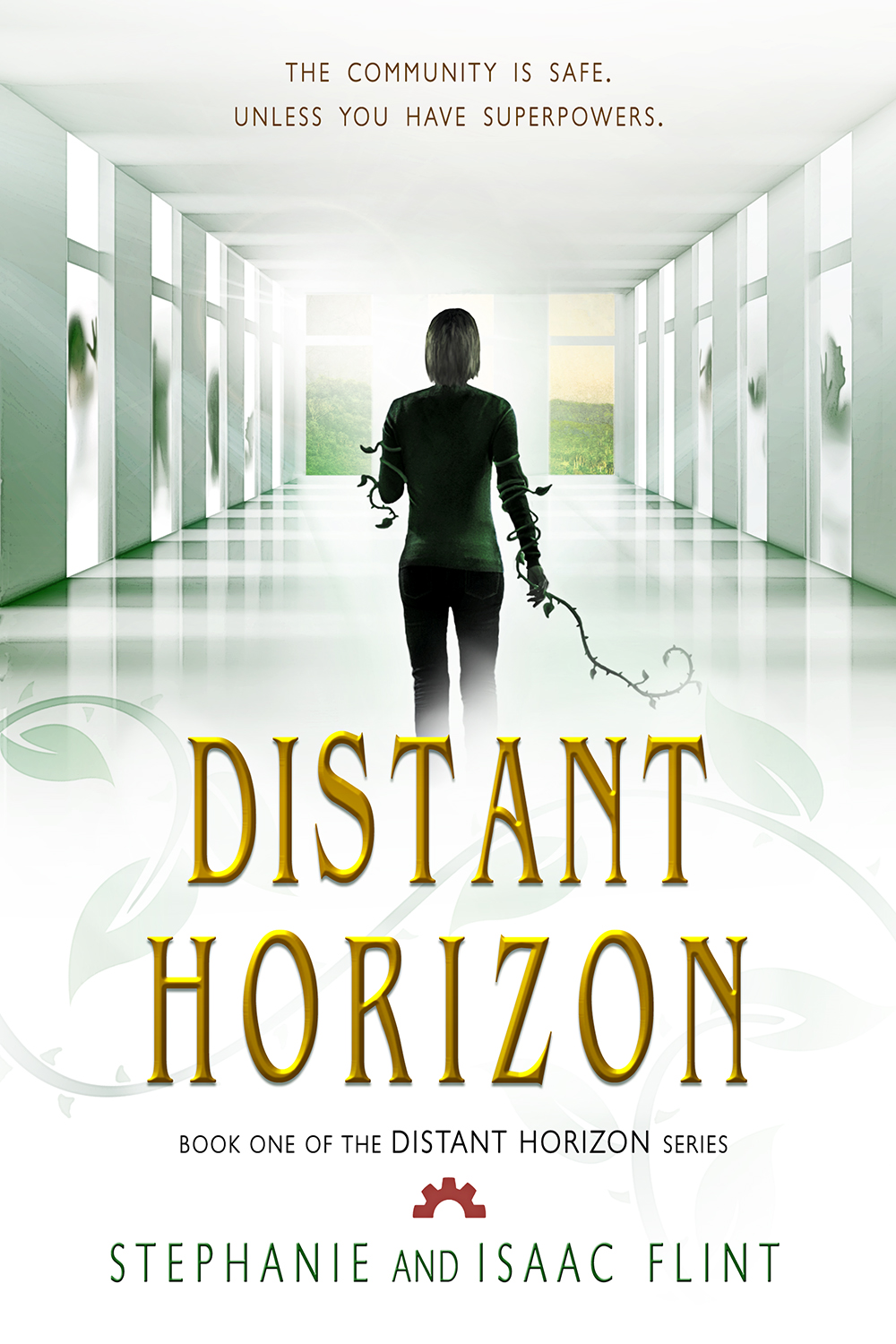
Wow, time flies when you’re super busy! Anyway, it’s time for another Infinitas Publishing Status report before October creeps up on us.
Don’t forget, if you want to stay up-to-date with our latest book releases and promotions, sign up for our Infinitas Publishing Newsletter!
Chapter One
The first time I flushed an adominogen pill, the oblong capsule tumbled from my hand and bounced off the bathroom sink, once, twice, then fell into the toilet with a finalizing plop.
Gone.
I waited all day for someone to ask why I didn’t report accidentally losing my pill. But no one did, and I didn’t have any of the hallucinations that the health officials said I would have if I didn’t take it. Instead, the world around me felt so much more… alive. My attention improved, not that it was bad to begin with, and I could think clearly. Be more efficient.
After that, I stopped taking the pill. I graduated high school and started my first year of college—no sign of any hallucinations or crazy delusions that come with being infected by theophrenia. But when our hall advisor announced that the annual Health Scan would take place in two days, I panicked.
I needed three things to graduate: excellent grades, as many efficiency points as possible, and to pass the scan. It wasn’t often someone failed, but it did happen. One of my friends in high school had a sister who failed—Galina. She took the scan at the clinic downtown, and Special Forces escorted her away, all while assuring everything would be fine.
I didn’t want to end up like her, so right after the announcement, I took the pill. It was like throwing a clear, plastic tarp over my world. I felt like an unbalanced gyroscope and I spent half the day in the bathroom, sick to my stomach. But I couldn’t go to the doctor for the symptoms. Not taking the pill was an international offense.
The next day, today, I shuffled around a bathroom stall, fighting to extract an orange pill bottle from my backpack. For the love of efficiency—the stupid thing had dropped between my textbooks. I shoved the books aside, snagged the bottle, and tucked a pill into my palm. I didn’t need it skittering across the floor where someone might notice.
My phone beeped and I dropped the pill.
The plop echoed and the toilet flushed automatically. The pill swirled to its watery demise. The toilet gurgled, and the water rippled in the bowl.
Well, I had considered taking the pill, but that wasn’t happening now. I stared at the toilet a moment longer, then hoisted my backpack onto my shoulder and froze halfway out the stall door. A woman wearing all black stood between me and the sinks. The red, rising sun half-cog of E-Leadership was stitched across her left shoulder sleeve, and though she wasn’t wearing her visor, the sight sent a jolt of terror through me.
Special Forces. If she’d heard the plop…
She glanced at the orange pill bottle in my hand and raised an eyebrow. “Everything all right?”
I nodded too quickly. “Yeah—I forgot to go to the bathroom before I left my room.”
She scowled. “Aren’t you late to your morning meeting?”
I stared at her, my whole body shaking. Of course I was late, but I wasn’t going to tell her that. I fumbled for something to say, but she shook her head and sighed before I could speak.
“Freshmen,” she muttered. “You need to get your act together if you plan to get anywhere in life. You can start by washing your hands.”
I rushed to the sink and dropped the pill bottle on the counter.
“The Community is safe,” she said.
“The Community is secure,” I replied. What was Special Forces doing here?
She crossed her arms in the mirror, her eyes firmly on the pill bottle. “The Community is efficient.”
I wasn’t sure if I remembered to say, “It is our duty,” before I snatched the bottle from the sink and dashed out. The hall blurred around me and my sneakers thumped the tile as I sprinted from the bathroom. I stuffed the bottle into my backpack. Maybe Ivan would be late to the morning meeting. Just for once, he could be late. Not just me.
Not just—
I flung the glass doors open to the lounge, skidding as the roomful of students stopped listening to the morning announcements to give me a curious stare. Lance gave me an accusatory “where were you?” glare while Sam—college gossip—cocked her head, interested in my evident demise. Because, of course, Ivan wasn’t late.
No one said a word. The heater rattled softly as it blew air through the vents along the windows. The words “Safety, Security, and Efficiency” framed the smooth stone wall behind Ivan, while a lone screen hanging near the windows flashed silent reminders. “Take the pill! Theophrenia kills!” and “Are you seeing something strange? Save a life—get your Health Scan today!”
Ivan cleared his throat. He was tall and slender, dressed in the crisp gray uniform of a hall advisor. At twenty, he was only a couple years older than me, but he was prepping for E-Leadership. Not the guy I wanted to mess with, especially after being late to all but one of my classes yesterday. He waited as I slid into the only empty chair and pulled my backpack into my lap. The books settled unevenly, but their closeness offered some comfort.
Ivan made a notation on his tablet. “You’re late. I’ll have to deduct efficiency points from your record.” He looked up at me and his forehead wrinkled with concern. “Everything all right?”
“I’m fine!” I clutched my backpack, speaking too fast to sound innocent. “I was just worried about the Health Scan and didn’t get any sleep. I had a nightmare that I failed and security was chasing me.”
The monitor near the windows flashed to a mug shot of a man with dark circles under his eyes. Underneath, the subtitles ran a story I’d read a hundred times. The man had killed his family because he didn’t take the Health Scan and theophrenia made him think he could control fire. We’d all been forced to watch a documentary of the old news coverage as kids, and some images just didn’t go away. I shuddered. The man had burned his family alive. That’s what the plague—theophrenia—could do. Make a person go crazy. See things that weren’t there. Hear voices or act on terrible impulses. My father’s parents had died during the plague years. What had they seen? Anything?
What if I started seeing things, too?
I clamped my hands around my backpack straps, but Sam giggled, oblivious to my thoughts. She twirled her fingers through her curls. “Don’t worry, I’m sure you’ll do fine. Besides, you aren’t supposed to run away from security. They’re the ones who help you.” She started to lay a sympathetic hand on my shoulder, but withdrew when I glared at her. She’d probably borrowed that gesture from some video of Lady Black, or maybe from reading How to Behave like a Proper Leader, a textbook for the one class I’d permanently dropped.
“Sam’s right,” Ivan agreed. “Security is here to help.” He turned his attention to the rest of the students. “As a reminder, tomorrow afternoon is this year’s Health Scan. Be on time so that everything runs efficiently.” He shot me a warning glare before addressing the rest of the room. “That’s all the news I have for today. The Community is safe.”
“The Community is secure,” we replied automatically. “The Community is efficient. It is our duty.”
Dismissed, the other students filed from the lounge and into the hall. I must have been later than I thought. Normally I got to the meetings on time, but after being sick yesterday, I had a hard time getting to sleep last night. I hadn’t lied. I really did have nightmares of security guards chasing me around campus, pelting me with white adominogen pills and Health Scan fliers. The whole dream sounded ridiculous now, but it had been terrifying while I slept.
I waited for the crowd to pass until my best friend, Lance Mechnikov, came up beside me. He waited until we were behind everyone else, then lowered his voice so that I was the only one who could hear him. “You know, Jen, I heard of a guy who got stuck working road crew because he was absent too often.”
“I’m feeling better, okay?” I forced a smile, though I was still jittery from my encounter with the Special Forces agent. “Let’s get food.”
Lance patted my shoulder. “Sure. We can talk after breakfast.”
The bright blue LEDs in the downstairs cafeteria glinted off the polished stone walls, making them shine. Though most pre-Community buildings had been burned to prevent further spread of the plague, I understood why E-Leadership made the effort to keep this one. The craftsmanship was amazing; the seams where the stones had been placed were hardly visible. I’d only noticed because I’d found a tiny bit of ivy creeping from a crack in the corner of the building where I liked to study.
We dropped our backpacks at a nearby table and took our place in line. The smell of egg burritos, complete with tangy salsa, wafted through the cafeteria. Apple juice drizzled into the glasses of students who were already ahead of us. If it wasn’t for the Health Scan tomorrow and already being late to the first meeting, this day would almost be normal.
“Jenna! Lance!”
Tim, a sandy-haired guy, pushed his way through the breakfast crowd, a backpack hanging loosely over one shoulder. He fished a tablet from his pocket, breathless. “Did you hear? They’re doing the Health Scan—”
“Yeah, we’ve heard.” I accepted my plate from the server. It was warm from sitting beside the heating elements. “Ivan told us yesterday.”
Tim paused, then followed us to our usual table. “You already knew?”
“She worried herself sick.” Lance twisted his lips and glanced at me, but it wasn’t my fault I’d gotten sick. Not exactly.
“What are you worried about?” Tim protested. “I’m the one whose pills have been missing for a week!”
Lance held up his fingers. “Four days. You lost your pills four days ago.”
“Almost a week! What happens if the scan doesn’t register that I’ve been taking them? What if I fail? What if—”
“They would’ve given you replacement pills if it was that big a deal,” Lance said. “Think about it.”
“But how do I know? My grandmother died in the plague. What if I’m a carrier?” He scooted into a chair at our table.
Lance and I exchanged glances. Neither of our parents wanted to talk about our grandparents. Few did. Theophrenia had wiped out half the world’s population. Who wanted to remember that?
I shifted uncomfortably. If the disease was still out there, even in the slightest, I might carry it and accidentally infect others.
“Your parents were fine.” Lance nudged Tim with his plate. “You’ve only been off the pills for a week. Like Miss Worry-wart over here—” He glared at me. “—you’ll pass.”
Tim scowled, then scuttled toward the breakfast line with his tablet. I poked my fork at my burrito, but I’d lost my appetite. The other students around the room chatted as if the Health Scan wasn’t a big deal. But why would they worry? They took the pills.
“Lance—” I looked up hesitantly. “Have you heard anything from Galina?”
He sighed. “You’re really worried about this, aren’t you?”
“Well duh. We need the scan to graduate.”
“You take the pills, right? You’ll be fine.” He smiled. “Galina was an odd case.”
“Did she come back?”
His smile faltered. “I’m not sure. You were closer to her than I was.”
My chest constricted. How long was the treatment supposed to take? If theophrenia was supposed to be dead—or dormant, at least—how did Galina fail? Had her failure been a precautionary measure?
I glanced around the room. A Special Forces agent sat at a table near the wall. Security guards I was used to. But Special Forces? I’d never seen any agents on campus before. It felt like a sign of impending doom.
The agent paused from his breakfast and looked up, as if he realized he was being watched, and I quickly returned my attention to my burrito.
A moment later, Tim returned to the chair beside me and sat his plate on the table. He twisted his fingers in the chain of the light bulb efficiency charm around his neck, opened his mouth to speak, then paused. “So, Jenna… Do you think you might be able to talk to Sam for me and see if she’s going to community service tomorrow evening?” He talked so fast that his words muddled and I almost didn’t catch what he said. “If I could get a date, it would take my mind off the pills.” He smiled, his blue eyes wide and hopeful.
“I’m not really that good at talking to her,” I said hesitantly.
“Please? I’d owe you a huge favor.”
I glanced to where Sam sat with her group. They giggled and pointed to her phone. She was probably showing them a picture of her mangy cat, Little Beastie, the photograph I’d seen enough times in biology class to recognize the blur of pixels from a distance.
She flipped a blond curl over her shoulder, laughing a little too loudly, then whispered something to one of the girls, who nodded vigorously. She pocketed her phone and headed our direction.
Tim’s eyes went wide. “Well?”
“Sure,” I mumbled. “I’ll see what I can do.”
Sam joined us beside the table, her hands clasped behind her back as she cozied up to Lance. She had tucked her yellow shirt into her pale blue slacks to reveal more of her form than usual, as if she were trying to look like a member of E-Leadership. “I’m going to community service at the gardens tomorrow,” she said. “Do you have a partner yet?”
Lance’s cheeks flushed red. “Jenna, we’re still good for tomorrow, right?”
I gave Sam as big a smile as I could muster. Beside me, Tim’s eyes widened. “Of course,” I replied, then looked toward Sam. “But Tim doesn’t have a partner.”
Sam gave Lance a baleful pout. “Uh, sure.” She flashed a halfhearted smile at Tim. “I’ll see you then.” She waved and returned to her friends, who all patted her back and said their disappointed apologies.
“Thank you,” Lance mouthed. Tim punched the air, gleeful in our unplanned success, and I suspected he would be posting this to his EYEnet account later. At least it would give him something to distract his mind.
If only I had a good distraction, too.
Tim might not have taken the pills for a week, but I hadn’t taken them for six months.
I hope you enjoyed this post. 🙂